One of the greatest advantages of choosing Vienna as your base is the extraordinary range of day trips from Vienna available within easy reach. From fairy-tale Alpine villages and UNESCO-listed river valleys to neighboring capitals and medieval castle towns, you can experience an astonishing variety of landscapes and cultures — all while returning to your Vienna hotel each evening. Austria’s excellent rail network makes most destinations accessible without a car, and some of Europe’s most spectacular scenery lies within just one to three hours of the city.
This guide covers the 15 best day trips from Vienna, organized by distance and travel time. For each destination, we’ve included practical transport details, estimated costs, suggested itineraries, and insider tips to help you make the most of your excursion. Whether you’re seeking vineyard-draped river valleys, fairy-tale lakeside hamlets, or a quick border-hop to another country, there’s a perfect day trip waiting for you.
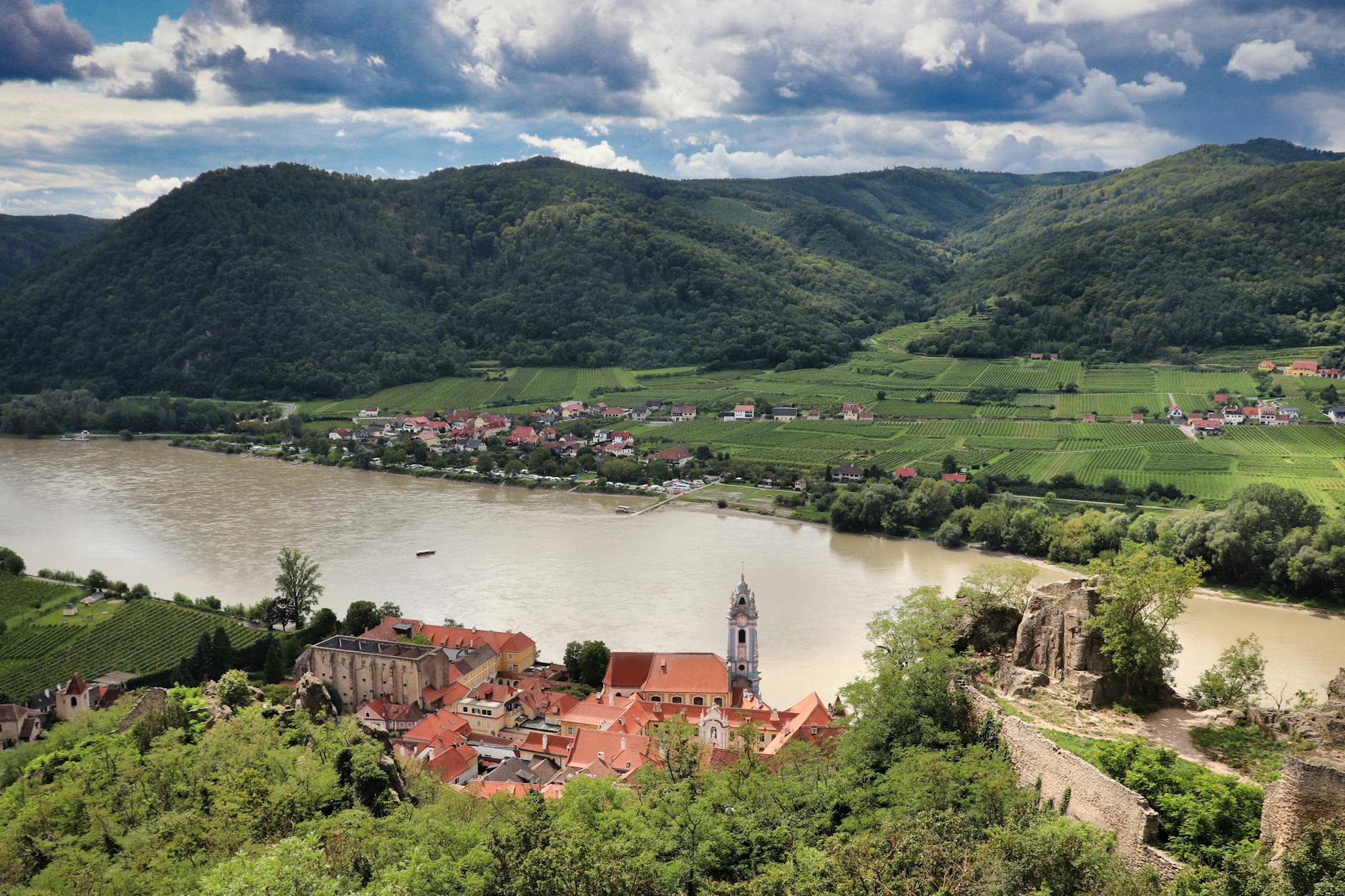
1. Wachau Valley: Wine, History, and the Danube (1–1.5 hours)
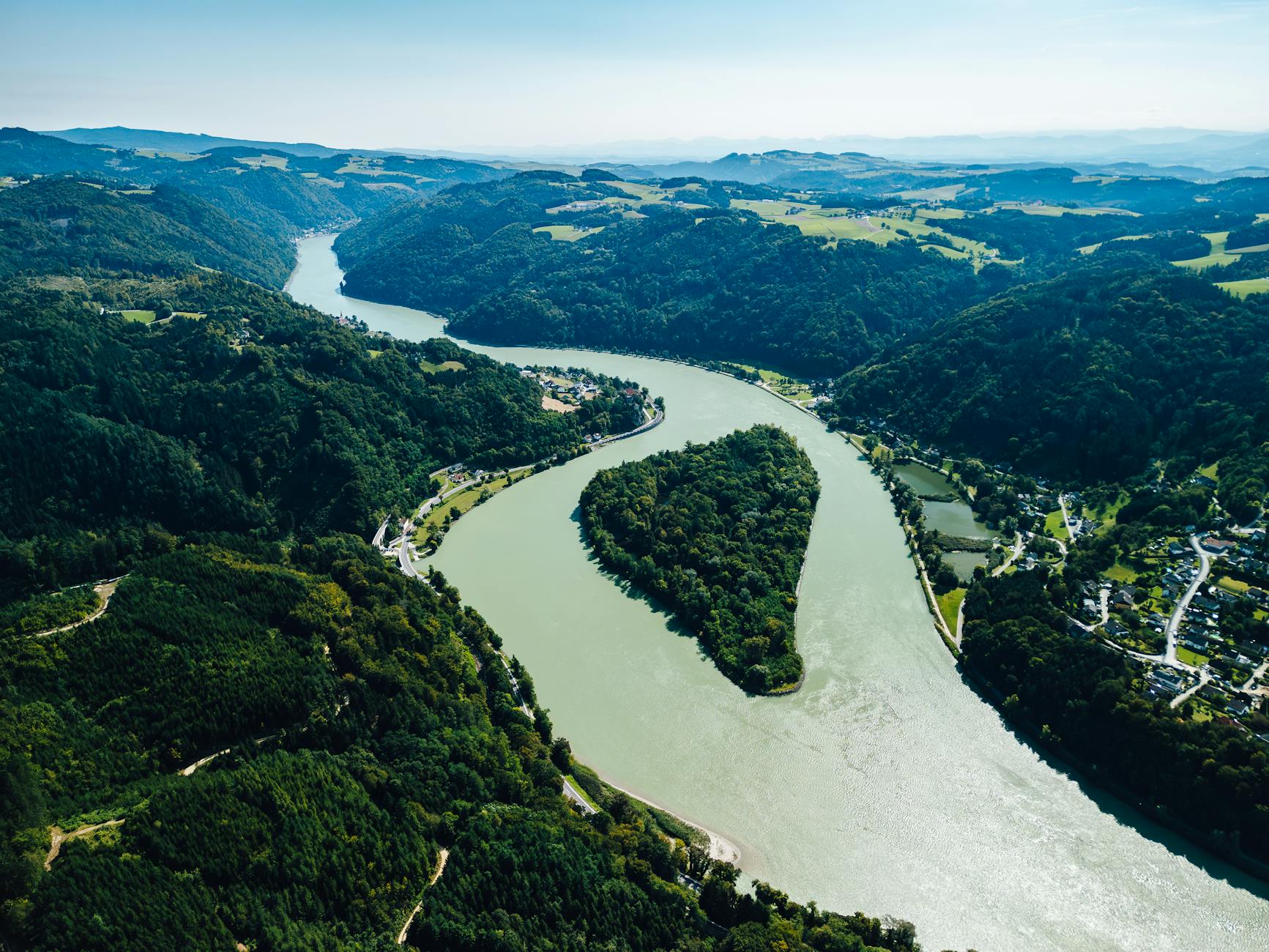
The Wachau Valley is arguably the finest day trip from Vienna — a 36-kilometer stretch of the Danube Valley between Melk and Krems that earned UNESCO World Heritage status for its harmonious blend of vineyards, villages, monasteries, and castle ruins. This is Austria’s premier wine region, famous for its Grüner Veltliner and Riesling wines, and the scenery along the river is breathtaking in any season.
Getting There
Take the S40 regional train from Vienna’s Franz-Josefs-Bahnhof to Krems (approximately 1 hour, €16 return). From Krems, you can explore the valley by local bus, bicycle (rental available at the station), or — most memorably — by Danube cruise boat (DDSG Blue Danube or Brandner Schiffahrt operate between Krems and Melk from April through October).
What to See
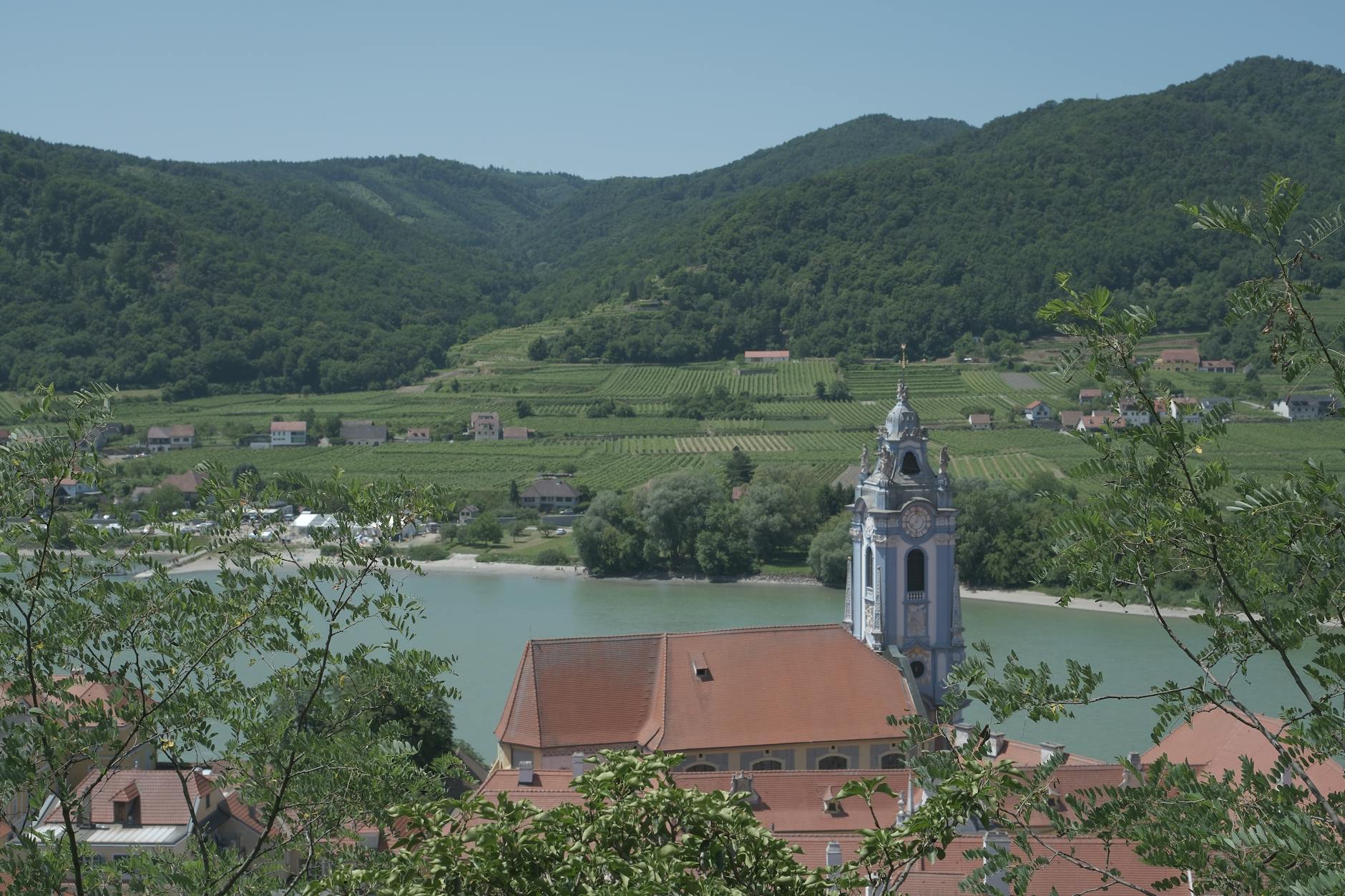
Dürnstein is the valley’s most photogenic town — a cluster of pastel-colored houses beneath a ruined castle (where Richard the Lionheart was imprisoned in 1192) and a blue-and-white baroque church tower that’s become the valley’s visual icon. Melk Abbey is a jaw-dropping Benedictine monastery perched on a cliff above the Danube, with an ornate library, grand church, and terraced gardens. Spitz an der Donau is a quieter wine village perfect for cellar-door tastings. The entire valley is laced with Heurigen (wine taverns) serving the current vintage alongside cold platters of local meats, cheeses, and breads.
Tip
The classic Wachau day trip combines the train to Krems, a downstream cruise through the valley to Melk (about 1.5 hours), Melk Abbey, and the train back to Vienna from Melk station. In autumn (September–October), the valley is draped in gold and the Sturm (young, semi-fermented wine) is in season — magical timing for a visit.
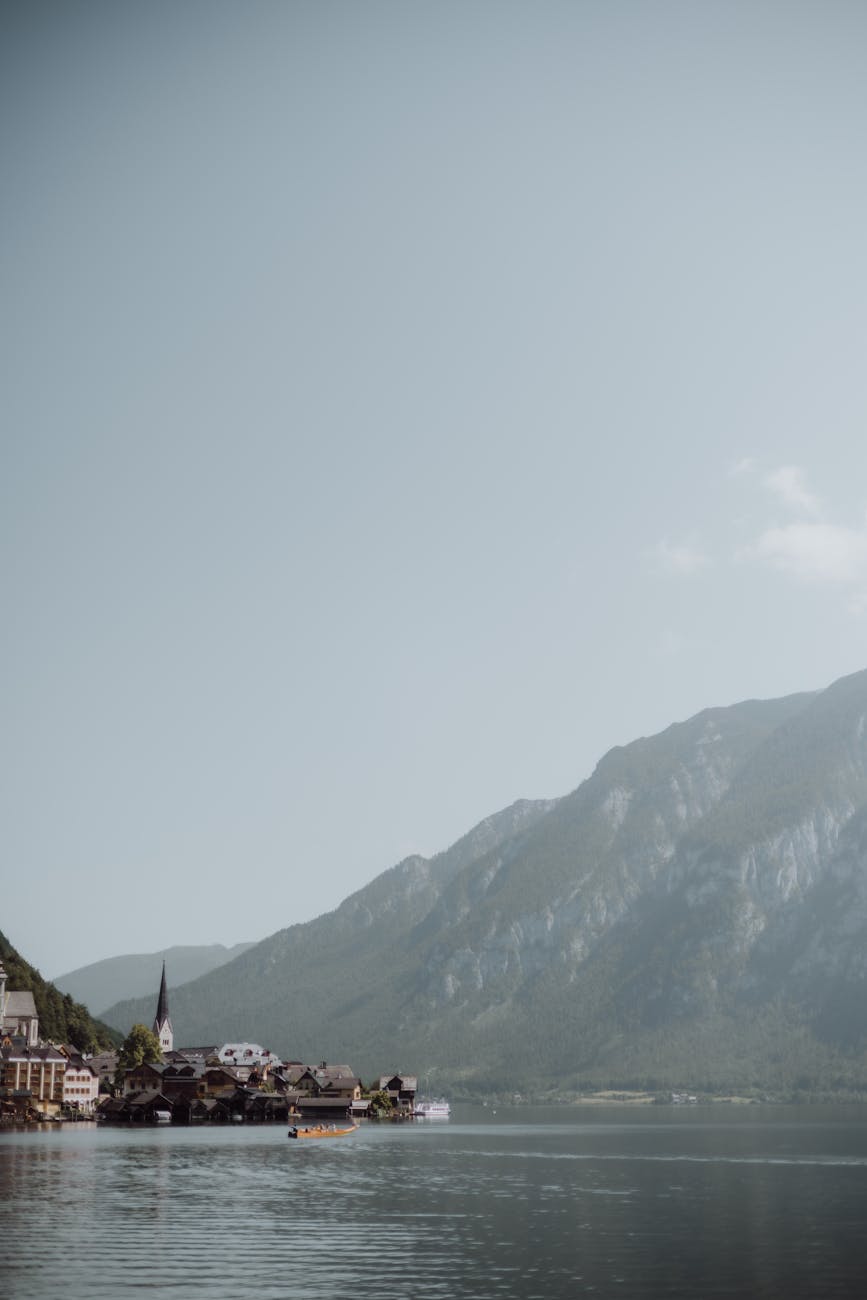
2. Hallstatt: Austria’s Fairytale Village (3.5–4 hours)
Hallstatt is one of the most photographed villages in the world — a cluster of candy-colored houses wedged between a mirror-still lake and towering Dachstein mountains. Part of the UNESCO-listed Salzkammergut lake district, this tiny settlement of 700 people has been inhabited for over 7,000 years, originally as a salt-mining center.
Getting There
Hallstatt is the longest day trip on this list and requires commitment. Take the ÖBB train from Wien Hauptbahnhof to Attnang-Puchheim (2 hours), change to the local train to Hallstatt station (1.25 hours), then take a short ferry across the lake to the village (7 minutes). Total journey: approximately 3.5–4 hours each way. Alternatively, organized bus tours from Vienna take about 4 hours and handle all logistics.
What to See
The Marktplatz (central square) is the classic photo spot. The Beinhaus (Bone House) at the Catholic church contains 1,200 painted skulls — a centuries-old tradition born of limited cemetery space. The Salzwelten salt mine tour takes you deep into the mountain with underground slides and a subterranean salt lake. The Skywalk viewing platform offers vertiginous views over the lake and village from 350 meters above.
Honest Assessment
Hallstatt is genuinely stunning, but the round trip from Vienna is 7–8 hours of travel for a village you can walk through in 30 minutes. It works best as a very early start (first train at 5:46 AM), or even better as an overnight trip. If your time in Austria is limited, the Wachau Valley and Salzburg offer more rewarding day-trip ratios.
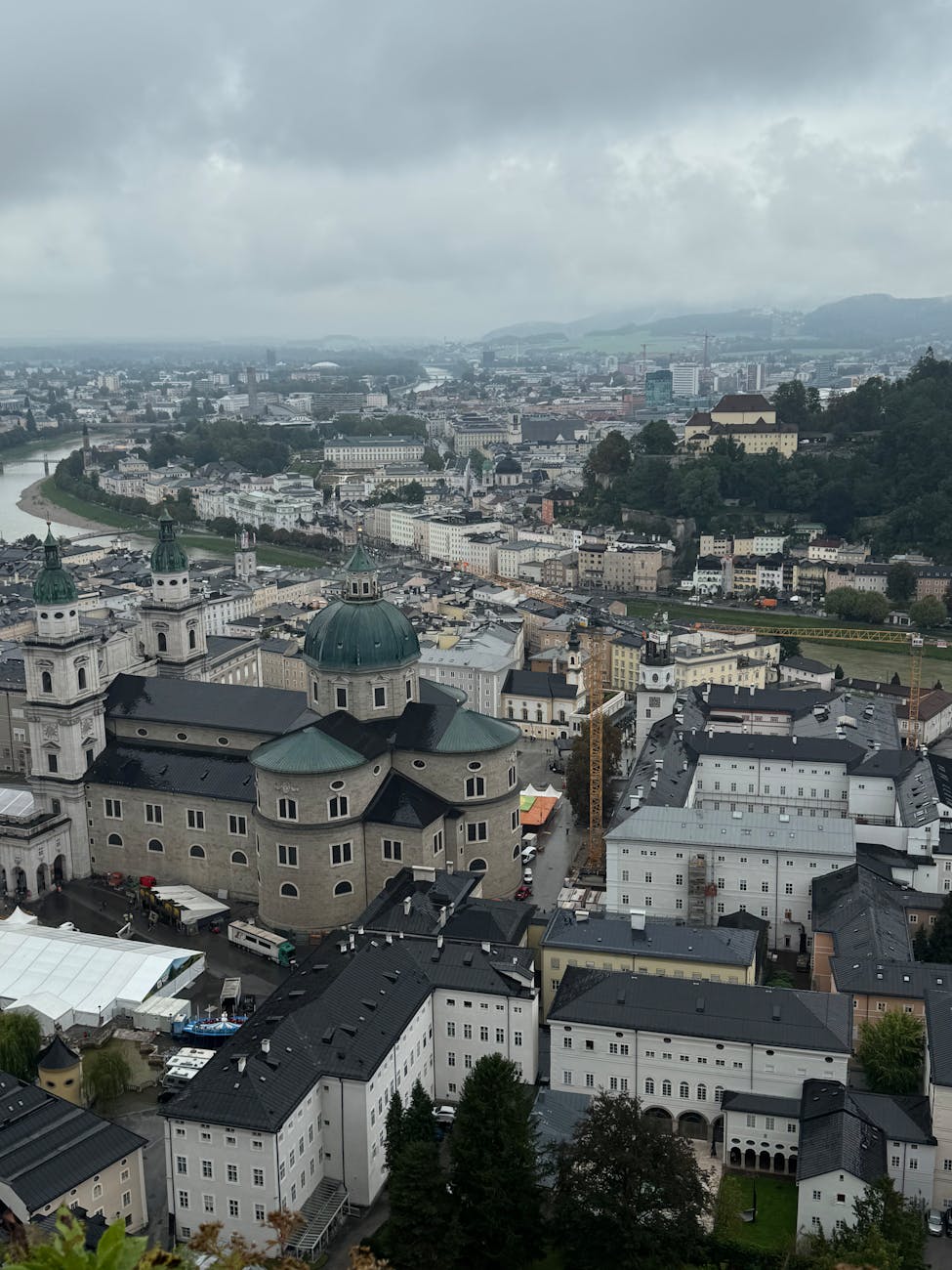
3. Salzburg: Mozart, Music, and Alpine Grandeur (2.5 hours)
Salzburg is a world-class destination in its own right — Mozart’s birthplace, the filming location of The Sound of Music, and a baroque jewel set against a dramatic Alpine backdrop. At just 2.5 hours by fast train, it’s one of Vienna’s most popular and rewarding day trips.
Getting There
ÖBB Railjet trains depart hourly from Wien Hauptbahnhof, reaching Salzburg in 2 hours 22 minutes. Book in advance for Sparschiene (saver fares) starting at €19.90 one way. At full price, expect €54 each way. The Westbahn private railway also runs this route with competitive prices.
What to See
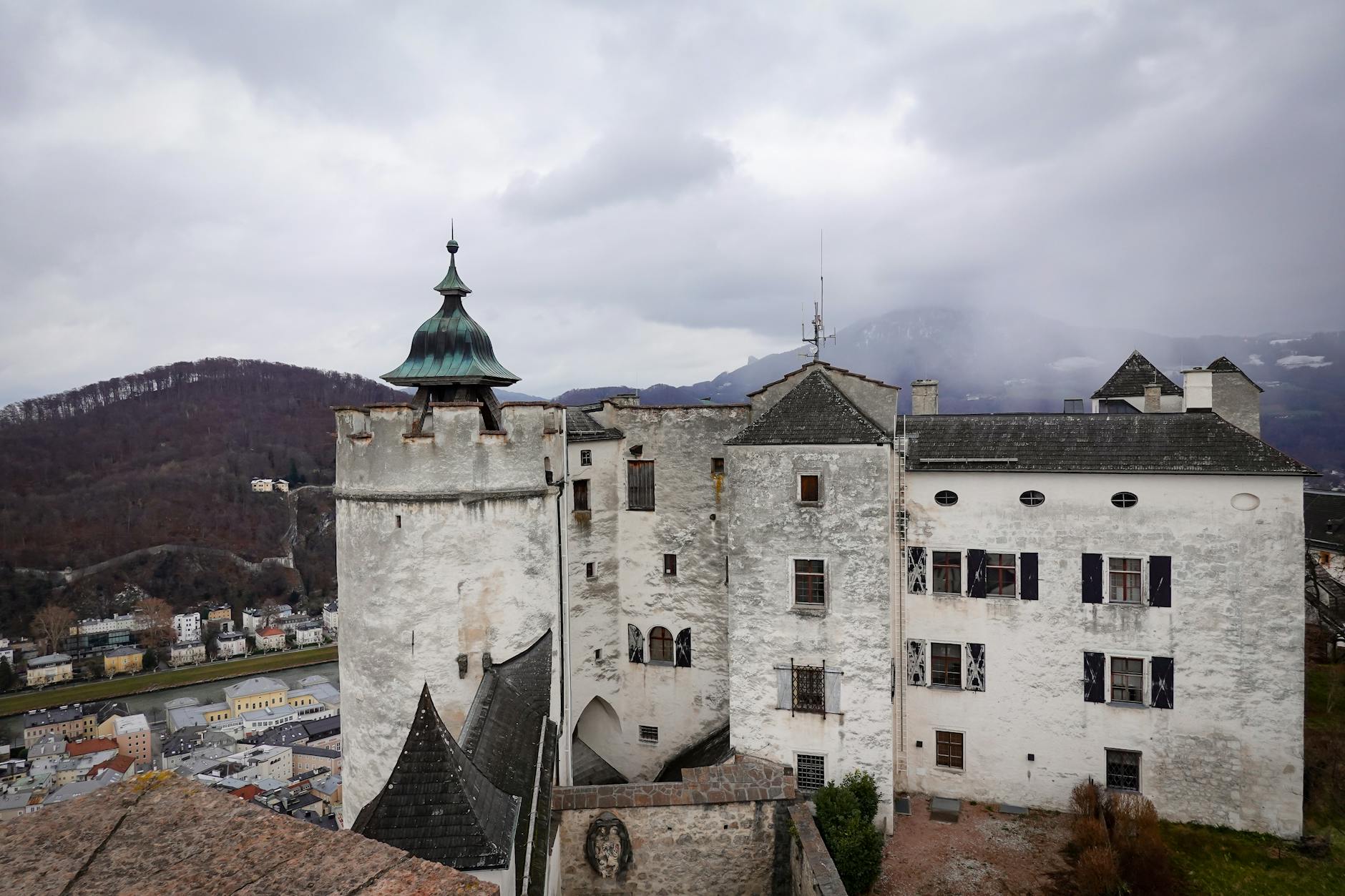
Hohensalzburg Fortress dominates the skyline — take the funicular up for panoramic views. Mozart’s Birthplace (Getreidegasse 9) is a museum in the apartment where he was born in 1756. The Mirabell Gardens (free, and featured in The Sound of Music) are exquisitely landscaped with mountain views. Getreidegasse is the main shopping street, famous for its ornate wrought-iron guild signs. The Salzburg Cathedral is a masterpiece of baroque architecture. If time permits, walk across the Staatsbrücke to the bohemian Steingasse neighborhood.
Tip
Take the earliest Railjet (departing around 6:30 AM) to maximize your day. The Salzburg Card (€30/24 hours) includes all museums, fortress, funicular, and local transport — worth it if you’re planning a full day of sightseeing.
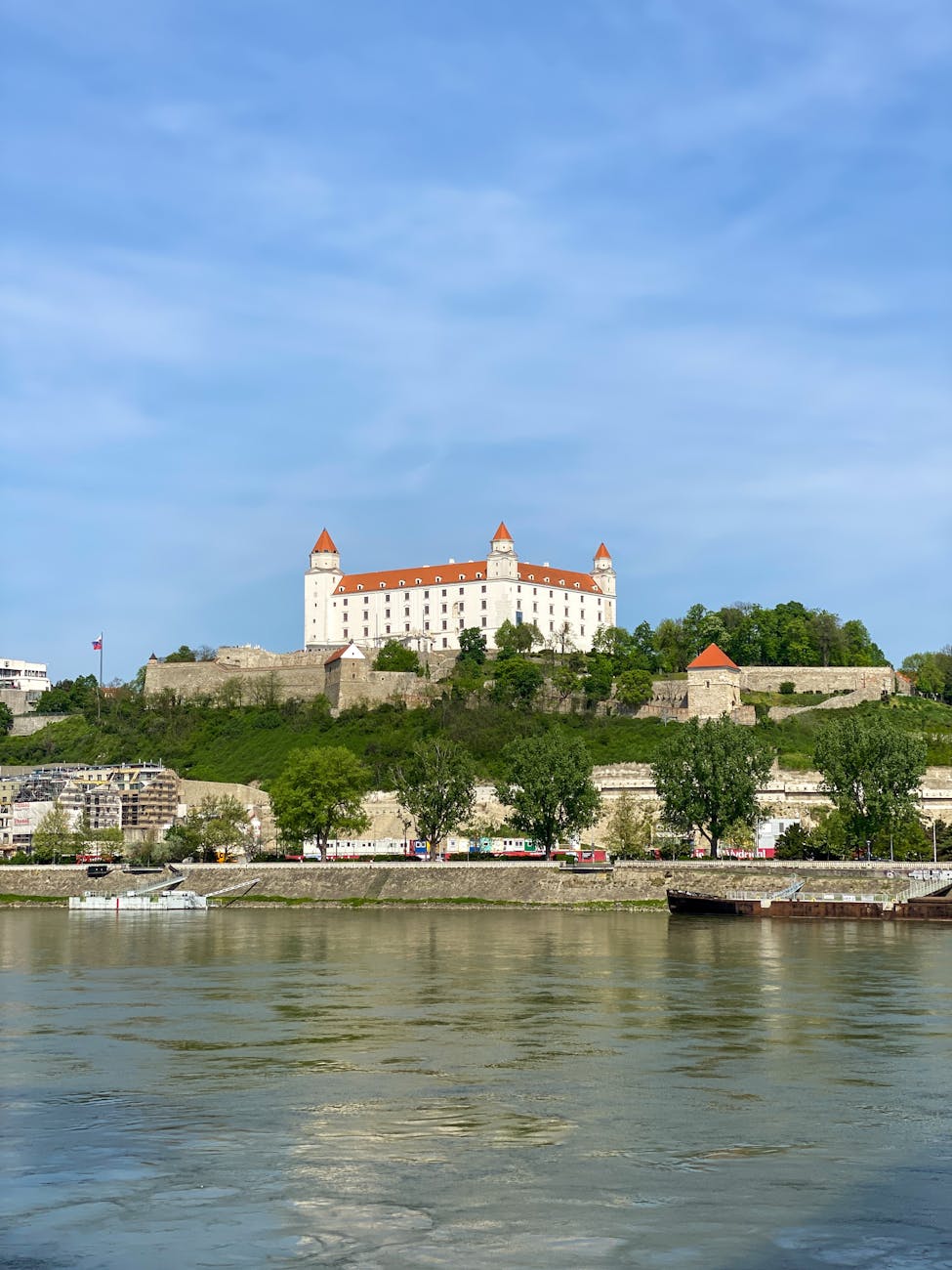
4. Bratislava: A Capital Next Door (1 hour)
Bratislava is the closest foreign capital to any capital city in the world — just 60 kilometers from Vienna. Slovakia’s compact, walkable capital has a charming Old Town, an imposing hilltop castle, excellent food at prices notably lower than Vienna, and a relaxed, uncrowded atmosphere that makes for a delightful day out.
Getting There
The fastest option is the ÖBB train from Wien Hauptbahnhof (1 hour, from €16 return with the Bratislava Ticket, which includes local transport in Bratislava). Alternatively, the Twin City Liner catamaran cruises down the Danube from Vienna’s Schwedenplatz to Bratislava in 75 minutes — a scenic and memorable journey (approximately €35 one way).
What to See
Bratislava Castle sits on a hill overlooking the Danube with excellent views. The Old Town is compact and walkable, centered around the Main Square (Hlavné námestie) with pastel facades, quirky statues (look for Čumil, the man peeking out of a manhole), and the beautiful St. Martin’s Cathedral. UFO Observation Deck atop the SNP Bridge offers panoramic views. And the Blue Church (Church of St. Elizabeth) is an Art Nouveau gem in powder blue.
Tip
Bratislava is significantly cheaper than Vienna — enjoy a proper sit-down lunch with drinks for €10–€15 per person. Try traditional Slovak dishes like bryndzové halušky (potato dumplings with sheep cheese) and wash it down with local beer for under €3.
5. Semmering Railway and Alpine Scenery (1.5 hours)
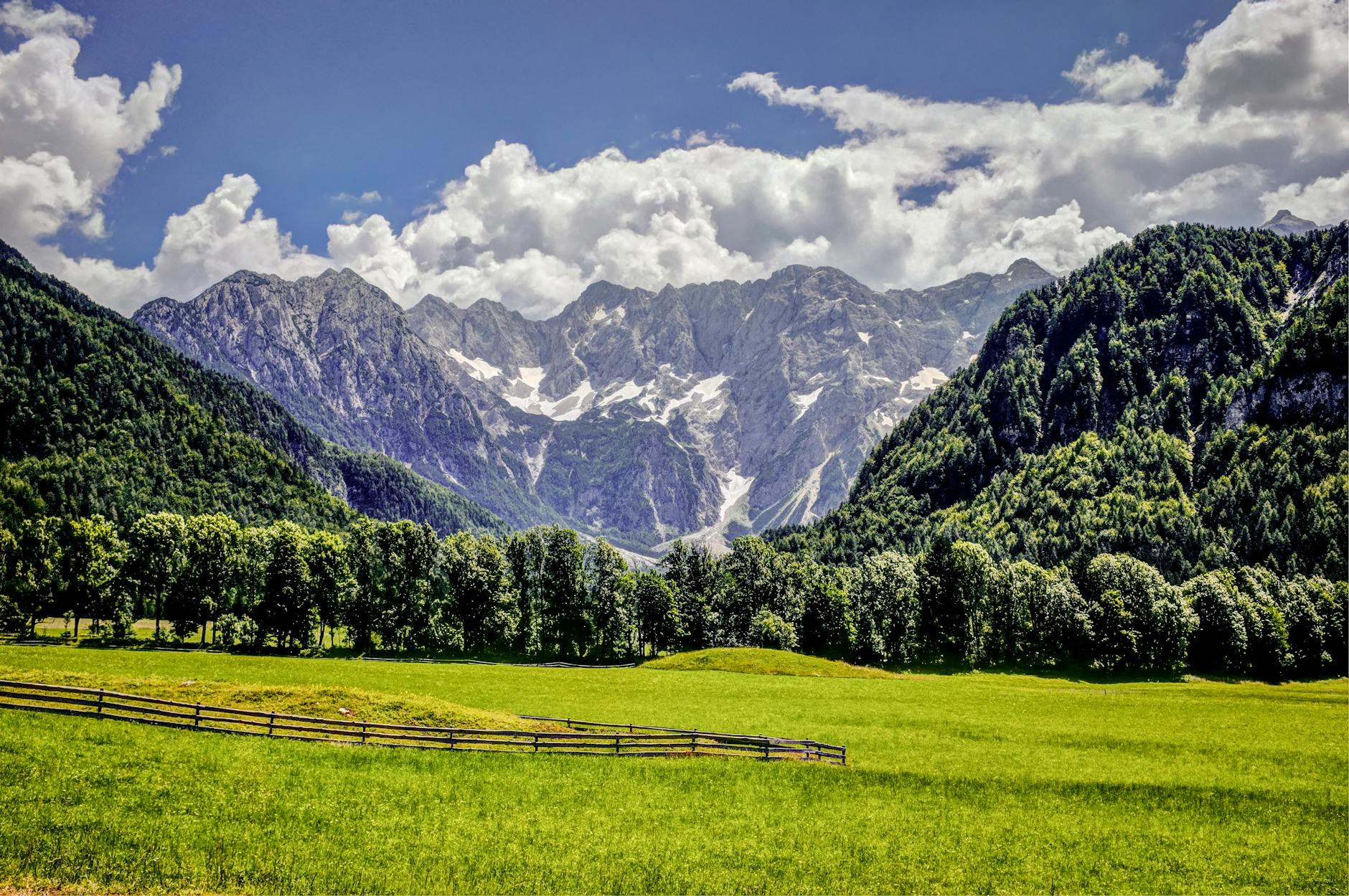
The Semmering Railway is a UNESCO World Heritage site and the world’s first mountain railway, built between 1848 and 1854. The train ride from Vienna over the Semmering Pass is one of Austria’s most scenic rail journeys — 41 kilometers of viaducts, tunnels, and mountain panoramas.
Getting There
Take any southbound train from Wien Hauptbahnhof toward Graz or Villach. The scenic section begins around Gloggnitz and climaxes at Semmering station (approximately 1.5 hours from Vienna). ÖBB tickets cost around €18 return.
What to Do
Semmering village itself is a historic resort town with grand Belle Époque hotels, hiking trails with Alpine views, and a nostalgic atmosphere of Habsburg-era leisure. The Bahnwanderweg (Railway Trail) is a marked hiking path that follows the railway line for about 2–3 hours, passing the most spectacular viaducts and offering mountain views. In winter, Semmering has a small ski area, making it the closest skiing to Vienna.
6. Baden bei Wien: Spa Town Elegance (30 minutes)
Baden bei Wien is the easiest day trip from Vienna — a charming imperial spa town just 30 minutes south. Its thermal springs have attracted visitors since Roman times, and it was a favorite summer retreat of the Habsburg court, Beethoven, and Mozart.
Getting There
The Badner Bahn (tram line WLB/360) runs directly from the Vienna Opera to Baden in about 60 minutes — and the first few zones are covered by your Vienna transit pass. Alternatively, the REX regional train from Wien Meidling reaches Baden in under 30 minutes.
What to See
The Römertherme spa complex offers thermal pools, saunas, and wellness treatments at reasonable prices. Baden’s Kurpark (spa gardens) are beautifully maintained with a rosarium, bandstand, and waterfall. The town’s Biedermeier architecture lines elegant pedestrianized streets perfect for strolling. The Beethovenhaus museum occupies the house where Beethoven composed his Ninth Symphony. And the surrounding hills are laced with wine trails through the Thermenregion vineyards — Austria’s warmest wine region, known for full-bodied reds.
7. Krems and the Kunstmeile (1 hour)
Krems an der Donau sits at the eastern gateway to the Wachau Valley and is a rewarding day trip even without continuing deeper into the valley. This is one of Austria’s oldest cities, with a beautifully preserved medieval Old Town and an impressive arts scene along its Kunstmeile (Art Mile).
What to See
The Kunsthalle Krems hosts rotating contemporary art exhibitions in a former tobacco factory. The Karikaturmuseum (Caricature Museum) is unique in Austria. The Steiner Tor gate tower is the town’s medieval landmark. And the surrounding vineyards offer cellar-door tastings — walk 10 minutes from the Old Town and you’re among vines. The Kremstal DAC wines (especially Grüner Veltliner) are excellent and affordable.
8. Carnuntum: Roman Vienna (45 minutes)
Carnuntum was once a major Roman city of 50,000 people on the Danube frontier — today it’s Austria’s most important archaeological park, with reconstructed Roman buildings, an amphitheater, and a museum of finds.
Getting There
Take the S7 train from Wien Mitte to Petronell-Carnuntum (approximately 45 minutes). The archaeological park is a short walk from the station.
What to See
The highlight is the fully reconstructed Roman City Quarter — not ruins, but complete buildings rebuilt using ancient techniques, including a villa with underfloor heating and colorful frescoes. The Amphitheater once seated 13,000 spectators. In summer, the Roman Festival brings gladiator demonstrations, crafts, and Roman cuisine. This is a particularly excellent choice for families with children.
9. Melk Abbey and the Nibelungengau (1.5 hours)
Melk Abbey is one of Europe’s most magnificent baroque monasteries — a massive golden-yellow complex perched dramatically on a cliff above the Danube. Even if you don’t continue into the Wachau Valley, Melk alone justifies a day trip.
What to See
The abbey’s library is extraordinary — two halls containing 100,000 volumes behind ceiling frescoes by Paul Troger. The abbey church is a masterpiece of baroque decoration. The terraced gardens offer Danube views. Entry is approximately €14.50, and guided tours are available in English.
10–15: More Outstanding Day Trips
10. Eisenstadt and the Neusiedler See (1 hour): The capital of Burgenland province, with Esterházy Palace (where Haydn was court composer) and nearby Lake Neusiedl — a UNESCO-listed steppe lake surrounded by vineyards, bird sanctuaries, and cycling paths. The lake area is Austria’s sunniest region and the cycling is outstanding.
11. Graz (2.5 hours): Austria’s second city and a UNESCO World Heritage Site, with a stunning Old Town, the futuristic Kunsthaus art museum, the Schlossberg hill with clocktower views, and an excellent food scene (it’s a UNESCO City of Design). The Murinsel floating platform on the River Mur is architecturally unique.
12. Mariazell (2.5 hours): Austria’s most important pilgrimage site, set in the forested mountains of Styria. The journey on the Mariazellerbahn heritage railway from St. Pölten is half the experience — a narrow-gauge train winding through gorges and valleys. The basilica, its miraculous Madonna, and the surrounding mountain landscape are deeply atmospheric.
13. Český Krumlov, Czech Republic (3.5 hours): A fairy-tale medieval town wrapped in a horseshoe bend of the Vltava River, with a massive castle complex, colorful Renaissance houses, and UNESCO World Heritage status. Further than other day trips, but the effort is rewarded by one of Central Europe’s most photogenic towns.
14. Györ, Hungary (1.5 hours): A baroque gem with Hungary’s most beautiful Old Town outside Budapest. The Bishops’ Castle, thermal baths, and restaurant scene are excellent, and prices are notably lower than Vienna. Easily reached by direct train.
15. Laxenburg (20 minutes): A quick escape south of Vienna to the imperial Laxenburg Palace grounds — a vast English landscape park with a lake, Gothic revival castle (the Franzensburg), and rowing boats for hire. The park is free and perfect for a relaxed half-day trip.
Practical Tips for Day Trips from Vienna
Book trains early. ÖBB Sparschiene (saver) fares can be 50–70% cheaper than walk-up prices. Book at oebb.at or through the ÖBB app up to 6 months in advance.
Consider the Einfach-Raus-Ticket. For groups of 2–5 people traveling together on regional trains, this flat-rate ticket (€38 for 2 people, €8 for each additional person) covers unlimited regional train travel throughout Austria for one day. It’s extraordinary value for Wachau, Baden, or Semmering trips.
Start early. First trains (typically 5:30–6:30 AM) maximize your time at the destination. This is especially important for distant destinations like Hallstatt and Salzburg.
Check seasonal schedules. Danube cruise boats, the Mariazellerbahn, and some attractions operate seasonally (April–October). Verify schedules before planning.
Pack a picnic. A supermarket lunch saves money and time, and many destinations have beautiful outdoor eating spots — castle gardens, lakeshores, and vineyard viewpoints.
Rent bikes for river valleys. Both the Wachau and Danube Canal routes have excellent cycling infrastructure. Rent bikes at train stations and drop them at another station — many rental companies offer one-way rental options.
Planning Your Day Trip: Season-by-Season Guide
Spring (April–May)
Spring is arguably the best season for day trips from Vienna. The Wachau Valley explodes with apricot blossoms in April — the Marillenblüte (apricot blossom) turns hillsides pink and white, and local restaurants celebrate with apricot-themed menus. Temperatures are pleasant for hiking (15–22°C), crowds are manageable, and accommodation prices are moderate. The Danube cruise season begins in April, opening up the scenic river routes through the Wachau.
Spring is also ideal for Salzburg — the Easter Festival brings world-class musical performances, and the city’s gardens are in full bloom. Bratislava is particularly charming in spring, with the castle gardens awakening and outdoor café culture returning to the Old Town squares.
Summer (June–August)
Summer brings the longest days and warmest temperatures, making it prime time for outdoor adventures. Lake Neusiedl is at its best — swimming, sailing, and cycling in Austria’s sunniest region. The Danube Island and Lobau nature areas come alive with swimmers and sunbathers. However, popular destinations like Hallstatt can be extremely crowded in July and August — consider visiting on weekdays rather than weekends.
Summer evening light extends past 9 PM, allowing for longer day trips. The Semmering hiking trails are fully accessible, and mountain huts serve traditional Austrian fare. Wine taverns throughout the Wachau and Thermenregion operate with extended hours, and many host outdoor wine festivals.
Autumn (September–October)
Autumn may be the most magical season for Wachau day trips. The grape harvest transforms vineyards into a patchwork of gold, amber, and russet, and the new vintage wine — Sturm — is available at every Heuriger. The light is warm and golden, and the tourist crowds have thinned considerably. Temperatures remain comfortable for walking (12–18°C).
This is also the season for the Weinwanderungen (wine hikes) — marked walking trails through the vineyards with tasting stations along the way. The Wachau Marathon in September draws runners from across Europe along the riverside. And Bratislava‘s autumn food scene is excellent, with game dishes and warming Slovak soups appearing on menus.
Winter (November–March)
Winter day trips offer a completely different character. The Semmering becomes a ski destination — small but convenient, with slopes just 1.5 hours from Vienna. Salzburg’s Christmas markets (late November through December) are among Europe’s best, and the city looks spectacular dusted with snow against the fortress backdrop. Baden bei Wien’s thermal spas are most appealing in cold weather — soaking in naturally heated pools while snow falls around you is quintessential Austrian winter luxury.
Winter also brings Adventmärkte (Advent markets) to smaller towns like Krems and Dürnstein — more intimate and less commercialized than Vienna’s large markets. And a winter visit to Hallstatt, while cold, offers the village at its quietest and most atmospheric, with snow-capped peaks reflected in the still lake.
Day Trips with Children
Several day trip destinations are particularly well-suited for families. Carnuntum brings history alive with its reconstructed Roman buildings — kids can see how Romans actually lived, complete with underfloor heating and wall frescoes. The Roman Festival in summer adds gladiator demonstrations and hands-on crafts.
Laxenburg is perfect for young children — the castle grounds include a boat ride to Franzensburg Castle, playgrounds, ponds with ducks, and wide grassy areas for running. It’s close enough to Vienna that even toddler nap schedules aren’t disrupted.
Lake Neusiedl offers family-friendly beaches with shallow, warm water (the lake is famously only 1.5 meters deep on average), cycling on flat terrain, and the Familypark amusement park nearby. The Salzburg Toy Museum and the Sound of Music bicycle tours are hits with older children, while the fortress funicular ride alone justifies the trip for young ones.
Organized Tours vs. Independent Travel
Most day trips from Vienna are straightforward to do independently using Austria’s excellent public transport. However, organized tours make sense in certain situations:
Choose independent travel when: The destination has good train connections (Salzburg, Bratislava, Baden, Krems). You want flexibility to linger at a wine tavern or explore at your own pace. You’re comfortable navigating train timetables (the ÖBB app makes this easy). You’re budget-conscious — organized tours typically cost 2–3× more than doing it yourself.
Choose an organized tour when: The destination is hard to reach by public transport (some Wachau Valley routes, Hallstatt without multiple connections). You want to see multiple destinations in one day (e.g., Wachau + Melk + Dürnstein). You prefer having a guide provide historical context and local insights. You have very limited time and want logistics handled for you.
Popular tour operators include Vienna Sightseeing (large bus tours to Hallstatt, Wachau, and Salzburg), GetYourGuide (variety of options from budget to premium), and Viator (extensive selection with user reviews). Small-group tours (8–15 people) typically cost €60–€120 per person, while private tours start at €200+ but offer full customization.
Transport Passes and Money-Saving Tips
Several rail passes can significantly reduce day trip costs:
Einfach-Raus-Ticket: The best deal for groups — €38 for 2 people (€8 per additional person, up to 5) for unlimited regional train travel across Austria for one day. Valid on R and REX trains (not Railjet), it’s ideal for Wachau, Baden, Semmering, and Carnuntum trips. Available on weekdays from 9 AM and all day on weekends.
ÖBB Sparschiene: Early-booking discounted fares on fast trains. Book at oebb.at up to 6 months in advance. Vienna–Salzburg can drop from €54 to just €19.90 one way. Non-refundable but exceptional value.
Bratislava Ticket: A special €16 return fare from Vienna to Bratislava (any ÖBB train) that includes local public transport in Bratislava for the day. Available at ticket machines and the ÖBB app.
ÖBB Vorteilscard: If you’re spending an extended period in Austria, this €66 annual card gives 50% off all ÖBB fares. It pays for itself after just 2–3 long-distance day trips.
Niederösterreich-Card: A €69 annual card covering free entry to over 300 attractions across Lower Austria (the province surrounding Vienna), including Carnuntum, Stift Melk, and numerous castles, gardens, and swimming lakes. Extraordinary value for multiple day trips.
Creating Your Perfect Day Trip Itinerary
If you have one day: Choose the Wachau Valley — it offers the best combination of scenery, culture, wine, and cuisine in a single day. Take the train to Krems, cruise to Melk, visit the abbey, return by train.
If you have two days: Add Bratislava — it’s the easiest international day trip, incredibly affordable, and offers a distinctly different cultural experience from Vienna.
If you have three days: Add Salzburg — a full day exploring Mozart’s birthplace, the fortress, and the Old Town, returning on an evening Railjet.
If you have a week: Add Baden bei Wien for a relaxing spa day, Carnuntum for Roman history, and either Hallstatt or the Semmering Railway for Alpine scenery.
Whatever you choose, Vienna’s position at the crossroads of Central Europe means that extraordinary diversity — Alpine peaks, Danube vineyards, neighboring capitals, medieval villages — is always within easy reach. These day trips from Vienna transform a city break into a wider exploration of one of Europe’s most rewarding regions.
Cycling Day Trips from Vienna
Austria’s cycling infrastructure is world-class, and several day trips from Vienna are perfect on two wheels. The Donauradweg (Danube Cycle Path) is one of Europe’s most famous cycling routes, and sections of it make outstanding day trips. From Vienna, cycle upstream along the Danube Canal and river to Klosterneuburg (15 km) — home to an impressive Augustinian monastery with a Verduner Altar considered one of Europe’s finest medieval artworks. Continue to Tulln (30 km from Vienna), the birthplace of Egon Schiele and home to beautiful riverside gardens.
For a longer cycling day, continue from Tulln to Krems (70 km total from Vienna) through the Wachau Valley. The route is flat, well-paved, and clearly signed, following the river the entire way. You can return by train with your bike (bikes are allowed on most regional trains for a small fee). Bicycle rental is available from several operators near the Donaukanal in Vienna — WienMobil Rad for short rides, or specialized rental companies for full-day touring bikes.
The EuroVelo 6 route also connects Vienna to Bratislava (65 km) almost entirely along the Danube — flat, scenic, and feasible for moderate cyclists in 4–5 hours. Take the train one way and cycle the other for a memorable multimodal day trip.
Wine Day Trips: Beyond the Wachau
While the Wachau gets most attention, Vienna is surrounded by excellent wine regions that make rewarding day trips:
Thermenregion (Baden/Gumpoldskirchen): Just 30 minutes south of Vienna, this is Austria’s warmest wine area, known for full-bodied reds (Zweigelt, St. Laurent) and the indigenous Zierfandler and Rotgipfler whites. The village of Gumpoldskirchen is particularly charming — a cluster of traditional wine taverns on a hillside with panoramic views. The annual wine festival in September is a highlight.
Weinviertel (Wine Quarter): North of Vienna, this is Austria’s largest wine region and the home of peppery Grüner Veltliner. The town of Retz (1 hour by train) offers wine cellar tours through Europe’s largest wine cellar labyrinth beneath the town square — an underground network stretching over 20 km. Poysdorf is the self-proclaimed wine capital, with an excellent wine museum and numerous Kellergassen (wine cellar streets) — lanes of above-ground wine press houses that are unique to this region.
Carnuntum Wine Region: Combine your visit to the Roman archaeological park with wine tasting at one of the local wineries. The Carnuntum DAC wines (especially Zweigelt Rubin Carnuntum) have gained international recognition, and the vineyard landscapes between Göttlesbrunn and Prellenkirchen are beautiful.
Day Trips for History Enthusiasts
Beyond the well-known destinations, several day trips cater specifically to history buffs. Mauthausen Memorial (2.5 hours by train) is the site of the former Mauthausen concentration camp, now a powerful memorial and educational center. While emotionally challenging, it’s an important site for understanding European history. Entry is free, and English-language audio guides are available.
Schloss Hof and Niederweiden (1 hour east of Vienna) are a pair of Habsburg country estates on the Marchfeld plain. Schloss Hof is Prince Eugene’s masterwork — a baroque palace with terraced gardens descending toward the March River, a working farm, and regular historical reenactments. Both palaces are included in many museum passes.
Stift Klosterneuburg (just 20 minutes from Vienna by S-Bahn) houses the Verduner Altar — a 1181 masterpiece of medieval enamelwork — and has been home to an Augustinian monastery for over 900 years. The wine cellar produces some of Austria’s finest wines, available for tasting in the monastery shop. This is the perfect short half-day trip when you don’t want to venture far from the city.
Frequently Asked Day Trip Questions
Can I do Hallstatt as a day trip from Vienna? Technically yes, but it involves 7–8 hours of travel for a small village. It’s better as an overnight, or save it for a longer Austria trip. The Wachau Valley offers more value per hour invested.
Do I need to speak German? No. Train staff, major attractions, and tourist offices all operate in English. The ÖBB app and ticket machines offer English interfaces.
Can I bring luggage on day trips? Trains have luggage storage areas, and most stations have lockers (€2–€4). Travel light for day trips — a daypack is ideal.
Are guided tours worth the extra cost? For the Wachau Valley and Salzburg, independent travel is straightforward and much cheaper. For Hallstatt or multi-destination itineraries, organized tours save significant planning effort.
What about car rental? A rental car offers flexibility for wine regions and smaller villages not well-served by trains. However, parking in historic town centers can be challenging, and you’ll miss out on wine tasting. For most visitors, trains are the better choice.
Leave a Reply